Survey

Our Solar System


sun

The Sun


kuiper belt

The Kuiper Belt


oort cloud

The Oort Cloud


What is the propose of this web page?

The Web Page “Our Solar System” is proposed to inform our reader about some of the main object that are in our Solar System. The page will include information about the Sun, the Kuiper Belt and Oort Cloud. Its purpose is to tech our reader what re these three subjects, where are they located in our Solar System and many more information.
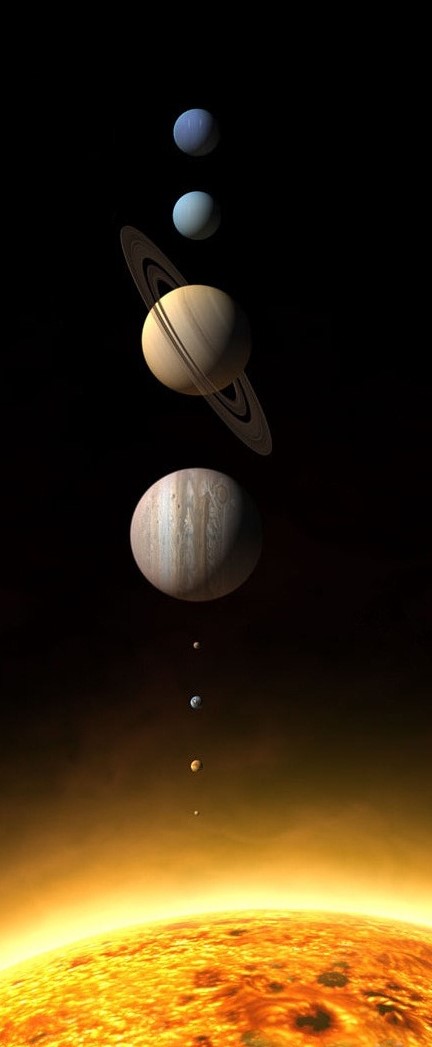
our system


sun

The Sun

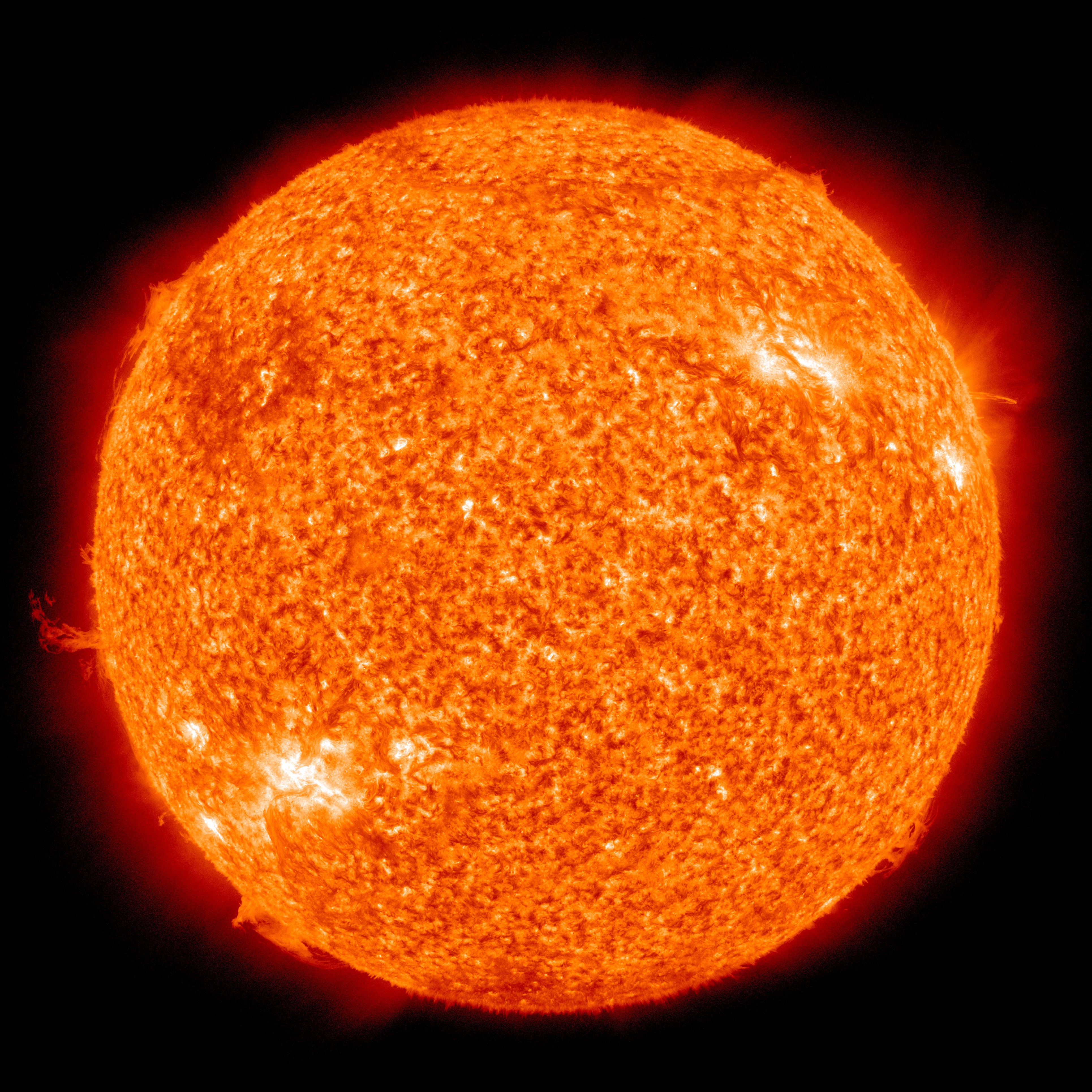
The Sun is the oldest object in our Solar System. Its formation was possibly triggered by shockwaves provided by one or more nearby supernovas. Supernovas are powerful and luminous stellar explosion that it's caused by a dying star. This event took place about 4.6 billion years ago. The Sun is the star situated at the center of our Solar System. The star's diameter is about 1.39 million kilometers (864000 miles) and its mass is about 109 times that of Earth. About three quarters of the Sun's mass consists of hydrogen (~73%), while the rest is mostly helium (~25%) and much smaller quantities of heavier elements including oxygen, carbon, neon and iron. The sun it's also accounted for about 99.86% of the total mass of our Solar System. Also, the star's energy is very important for our planet, Earth. Without the energy given there would not be any sort of life on Earth.


The Kuiper Belt

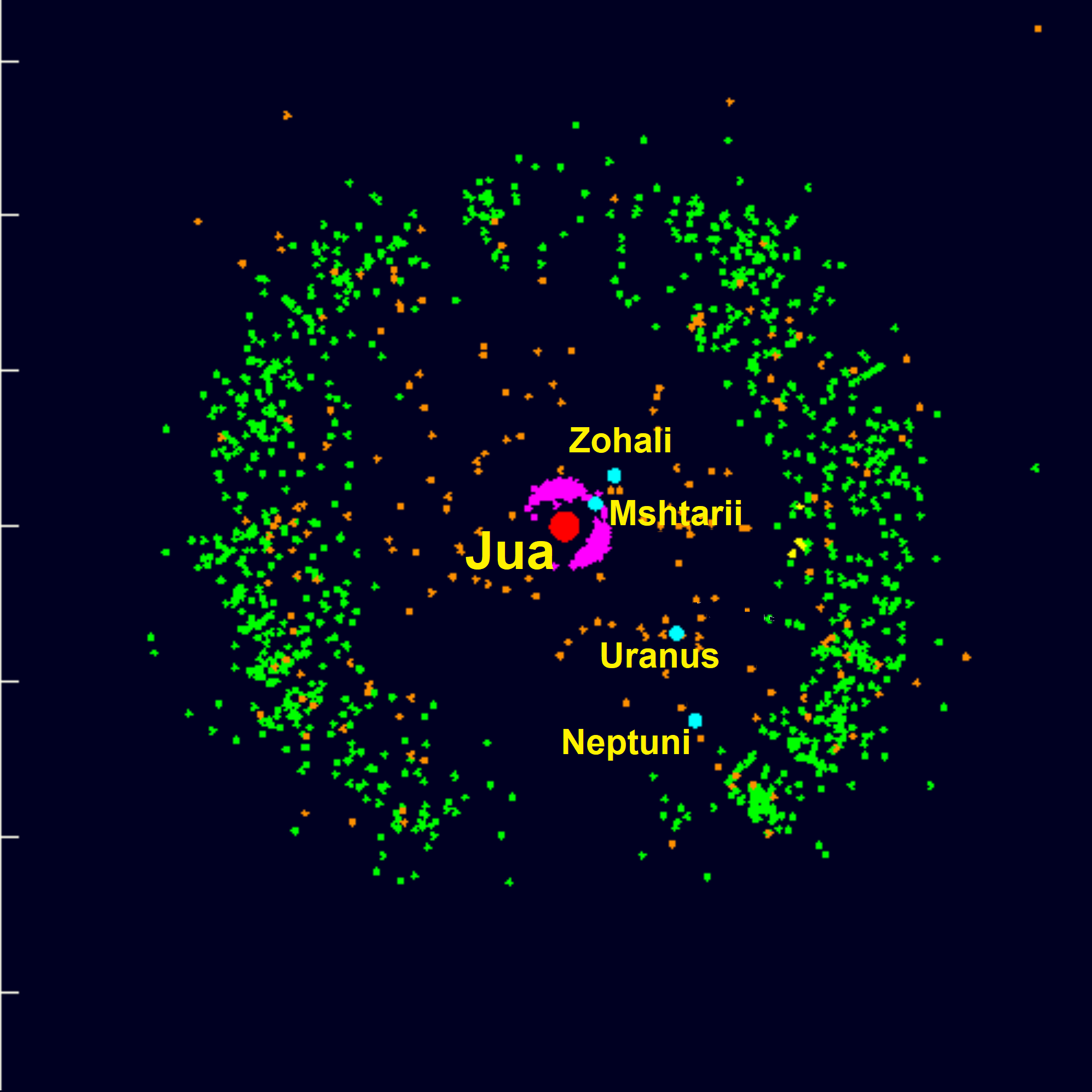
The Kuiper Belt is a circumstellar disc situated in the outer Solar System. A circumstellar disk is a ring-shaped accumulation of gas, dust, planetesimals, asteroids, or collision fragments. The Kuiper Belt is similar to the Asteroid Belt, but it is much more bigger by 20 times as wide and 20-200 times as massive (find more about Asteroid Belt in our web page "Asteroid Belt"). Most Kuiper Belt objects are composed of frozen volatiles such as methane, ammonia and water. The Belt it's also home to three objects identified as dwarf planets: Pluto, Haumea, and Makemake (find more about dwarf planets on our web page "Dwarf Planets"). The circumstellar disc was named after Gerard Kuiper, a Dutch astronomer, planetary scientist, selenographer, author, and professor. It was name after although he did not predict its existence.

kuiper belt


oort cloud

The Oort Cloud

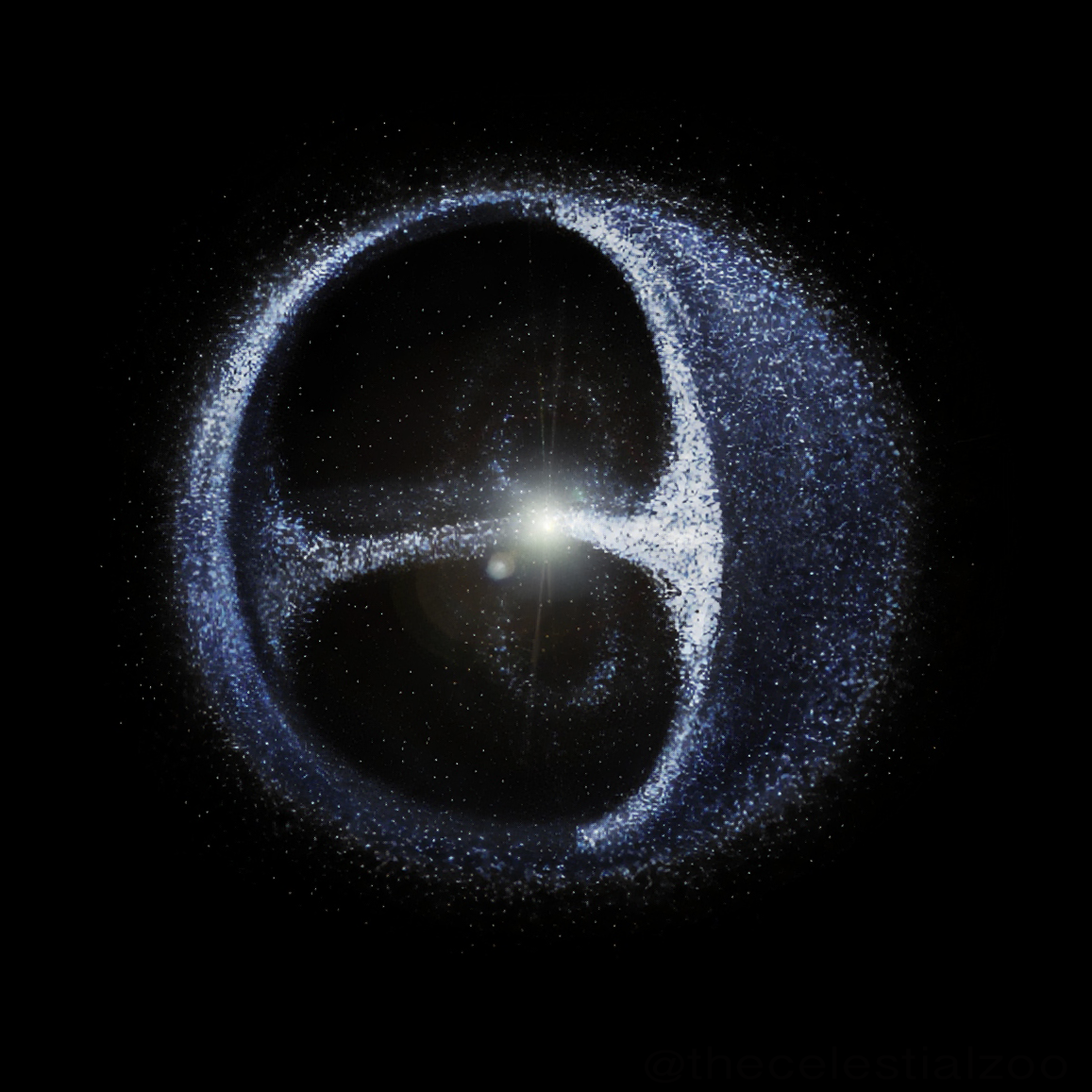
The Oort Cloud was first described by Jan Oort, a Dutch astronomer, in 1950. He described it as a theoretical concept of a predominantly icy planetesimals cloud. This cloud is proposed to surround the sun at distance ranging from 2000 to 200000 astronomical unit (0.03 to 3.2 light-years). The Oort Cloud is divided into two regions.The first region is a disc shaped inner Oort Cloud, while the second region is a spherical outer Oort Cloud. The outer Oort Cloud is loosely bounded to our Solar System and therefore, it is affected by the gravitational pull both of passing stars and of the Milky Way, the galaxy that is home to our Solar System, itself. This event occasionally causes comets to move from their orbits within the cloud and to send them toward the inner Solar System. Also, the astronomers think that the Oort Cloud was actually formed closer to the Sun and was scattered far into the space by the gravitational effect of our planets early in the evolution of the Solar System.